
As the aroma of Cajun spices wafts through the kitchen, memories of family gatherings flood my mind. There's something magical about Classic Jambalaya, a dish that brings people together with its hearty, comforting flavors. This one-pot wonder is not only a crowd-pleaser that showcases your culinary skills; it's also delightfully versatile, allowing for various proteins based on what you have on hand. Whether you're incorporating succulent shrimp or sticking to chicken and sausage, this jambalaya can be whipped up in under an hour, making it a fantastic option for busy weeknights or laid-back weekends alike. So, who’s ready to dive into a flavor adventure that transforms simple ingredients into a taste sensation?
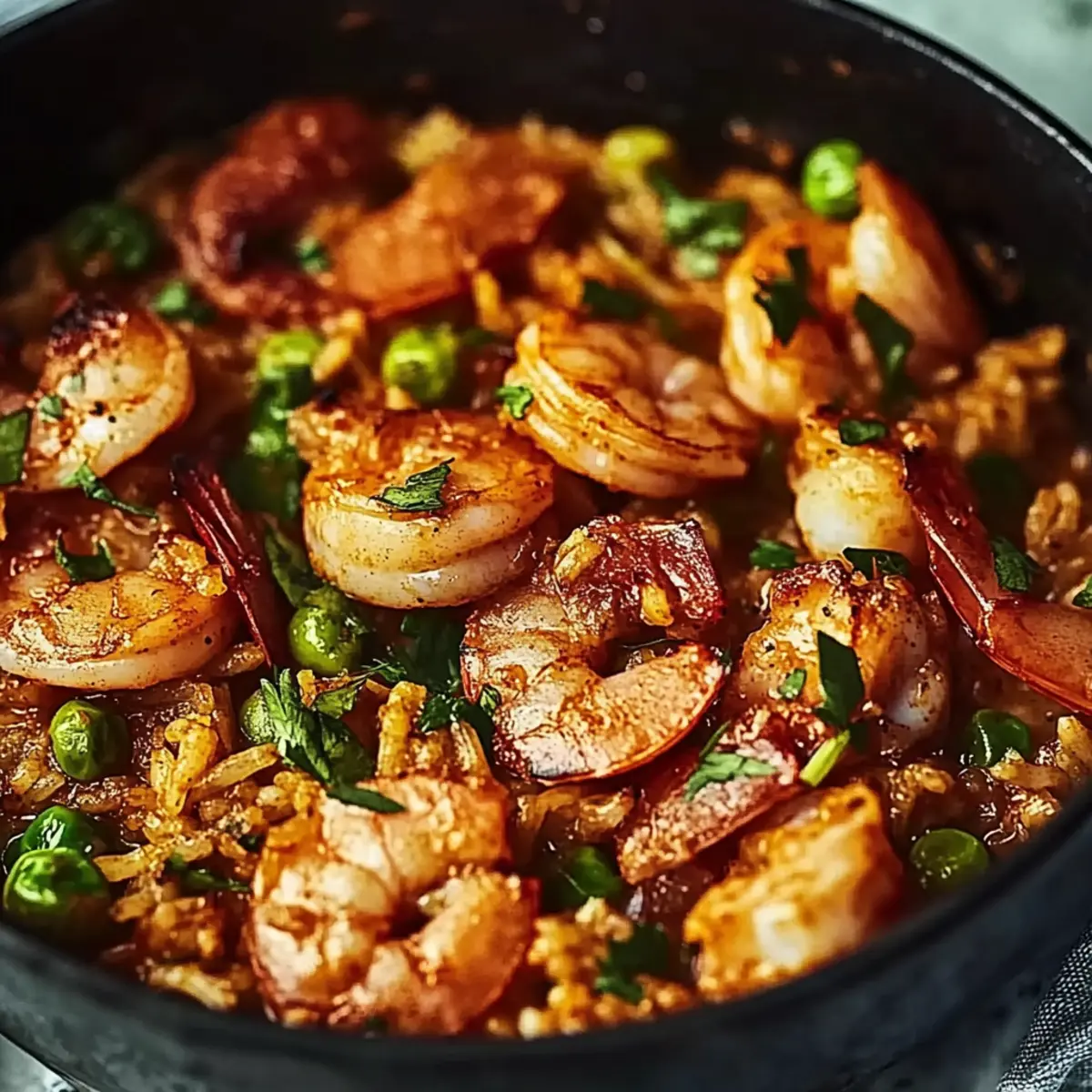
Why is Jambalaya a Must-Try Dish?
Bursting with flavor: This Classic Jambalaya combines savory chicken, sausage, and aromatic Cajun spices for a dish that's truly unforgettable.
One-pot convenience: Say goodbye to lengthy clean-ups! This recipe lets you whip up a delicious meal in just one pot, leaving you with more time to enjoy with family.
Endless versatility: Customize your jambalaya with your choice of proteins—try adding shrimp or turkey for an extra twist.
Hearty and satisfying: It's the perfect comfort food, ensuring that every bite is packed with taste and texture. Serve it with crusty bread or a salad, and you have a complete meal that everyone will love!
Jambalaya Ingredients
For the Rice Base
- 2 cups rice – Use long-grain rice for optimal texture and flavor in your jambalaya.
- 4 cups liquid (broth or water) – Chicken broth adds depth, but vegetable broth or water works just as well.
For the Vegetables
- 1 onion – Chopped finely, it adds a sweet base flavor to your dish.
- 1 bell pepper – Any color works, but red or yellow add a sweeter touch.
- 1 celery stalk – Chopped to bring a crunchy element and balance to the dish.
- 3 cloves garlic – Minced for a punch of flavor that complements the spices.
For the Proteins
- 1 pound chicken (or preferred protein) – Diced chicken is classic, but feel free to substitute with turkey or tofu for a twist.
- 1 pound sausage (or preferred protein) – Andouille sausage is traditional, lending a smoky flavor; however, any sausage of your choice works!
- Optional proteins (shrimp or turkey) – Add shrimp during the last minutes of cooking for a delightful sea-inspired taste.
For the Seasoning
- 2 teaspoons Cajun seasoning – This key ingredient gives your jambalaya its signature kick and depth of flavor.
- 1 teaspoon salt – Adjust to taste, especially if your broth is salty.
For the Garnish
- 3 green onions – Chopped, they add a fresh, vibrant finish before serving.
Now that you have your jambalaya ingredients ready, let’s dive into the wonderful process of bringing this comforting dish to life!
Step‑by‑Step Instructions for Jambalaya
Step 1: Sauté the Vegetables
In a large pot or Dutch oven, heat a tablespoon of oil over medium heat. Add chopped onion, diced bell pepper, chopped celery, and minced garlic. Sauté these aromatics for about 5-7 minutes, or until they become tender and fragrant, stirring occasionally. This mixture will form a flavorful base for your Classic Jambalaya.
Step 2: Brown the Proteins
Next, incorporate the diced chicken and sliced sausage into the pot, stirring well to combine. Cook for 5-7 minutes, allowing the meat to brown evenly and juices to meld with the sautéed vegetables. Ensure the chicken is no longer pink in the center, as this step adds depth to the flavors in your jambalaya.
Step 3: Add Rice and Seasoning
Once the chicken and sausage are cooked through, add in the rice, Cajun seasoning, and salt. Stir thoroughly to coat the rice with the spices and evenly distribute everything in the pot. Continue to cook for 1-2 minutes, allowing the rice to absorb the rich flavors from the meats and spices, enhancing your Classic Jambalaya.
Step 4: Pour in Liquid and Bring to Boil
Pour in 4 cups of broth or water and increase the heat to high. Stir the mixture well and bring it to a vigorous boil, watching as the liquid begins to bubble. This step is crucial as it helps cook the rice evenly while infusing it with all the wonderful flavors from the ingredients in the pot.
Step 5: Simmer for Perfect Texture
Once the mixture reaches a boil, reduce the heat to low and cover the pot with a lid. Let it simmer for 20-25 minutes, or until the rice has absorbed the liquid and is tender. You’ll know it's ready when the grains are fluffy and cooked through—this is where your Classic Jambalaya starts to shine!
Step 6: Add Optional Proteins
If you've chosen to include any additional proteins like shrimp, toss them into the pot during the last 5 minutes of cooking. Gently fold them in, allowing them to steam and cook quickly. This adds a delightful burst of flavor to your jambalaya, making it even more memorable.
Step 7: Let it Rest
After all the cooking is done, remove the pot from heat and let it sit, covered, for about 5 minutes. This resting time allows the flavors to meld beautifully and makes the jambalaya easier to serve. You'll be greeted with a lovely, aromatic dish ready to share and enjoy.
Step 8: Garnish and Serve
Finally, lift the lid and give your jambalaya a gentle stir before serving. Garnish with chopped green onions for a fresh, vibrant touch. Serve your Classic Jambalaya hot, paired with some crusty bread or a refreshing salad, and savor the comforting flavors that fill your home!
Make Ahead Options
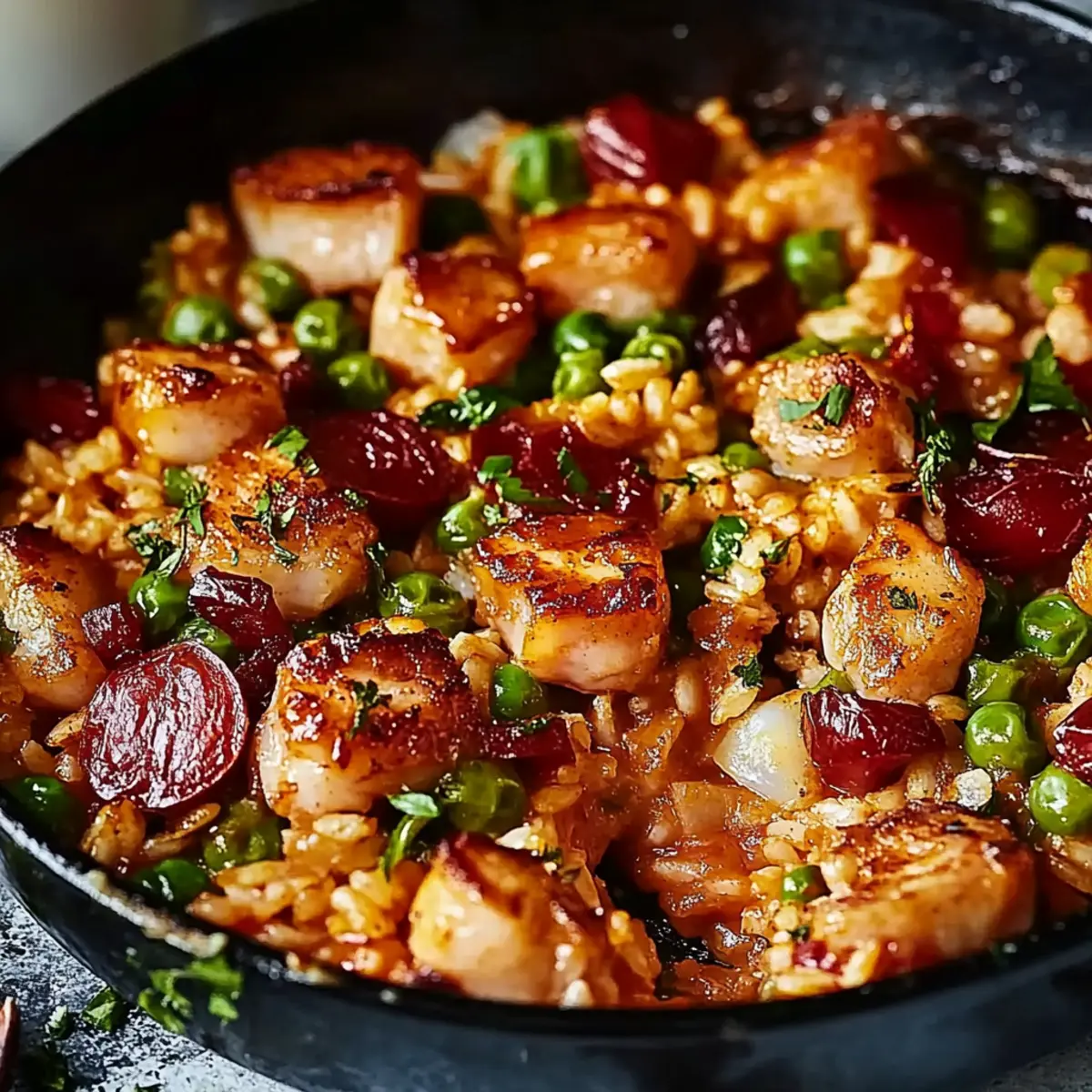
These Classic Jambalaya are perfect for busy home cooks looking to save time during their week! You can dice the onion, bell pepper, and celery up to 24 hours in advance and store them in an airtight container in the refrigerator to maintain their fresh flavors. Additionally, you can pre-cook the chicken and sausage and refrigerate them for up to 3 days; just reheat before adding to the pot. When you're ready to cook, simply follow the remaining steps, starting from adding the rice and seasoning. This way, you’ll enjoy a delicious, hearty jambalaya with minimal effort, giving you more time to unwind with loved ones!
How to Store and Freeze Jambalaya
Room Temperature: Jambalaya should not be left out for more than 2 hours to prevent bacterial growth.
Fridge: Store airtight in the refrigerator for up to 3 days. Allow it to cool completely before transferring to avoid condensation.
Freezer: For longer storage, freeze your jambalaya in freezer-safe containers for up to 2 months. Portion it out for easy meals later!
Reheating: When ready to enjoy leftovers, reheat gently in a saucepan over low heat, adding a splash of broth or water to restore moisture.
What to Serve with Classic Jambalaya
As the rich, spicy flavors of jambalaya dance on your palate, it's wonderful to complement this dish with sides that enhance its comforting essence.
- Crusty Bread: The perfect vehicle for scooping up the savory jambalaya, a warm loaf adds a satisfying crunch to every bite.
- Garlic Bread: An aromatic side that pairs effortlessly with jambalaya, its buttery richness balances the spicy notes beautifully.
- Caesar Salad: Crisp romaine with creamy dressing provides a refreshing contrast to the hearty jambalaya, enhancing your dining experience.
- Corn on the Cob: Sweet, buttery corn adds a pop of color and an irresistible sweetness that harmonizes perfectly with the Cajun spices.
- Roasted Vegetables: A medley of seasonal veggies roasted to perfection offers a delightful textural contrast and complements the spices beautifully.
- Cornbread: Soft and slightly sweet, cornbread echoes Southern roots while making every bite of jambalaya even more comforting.
- Iced Tea or Lemonade: A chilled drink balances the warmth of jambalaya, while its refreshing qualities invite you back for more.
- Key Lime Pie: This zesty dessert adds a tangy finish, cleansing the palate and leaving you with a sweet memory of your meal.
- Fruit Salad: A vibrant mix of fresh fruits can lighten the meal and bring a burst of refreshing sweetness after the rich jambalaya.
Tips for the Best Jambalaya
-
Ingredient Quality: Use fresh ingredients where possible, as they enhance the overall flavor of your jambalaya, making it more vibrant and delicious.
-
Don't Rush Cooking: Allow the proteins to properly brown in Step 2. This caramelization adds depth to the dish, so take your time!
-
Adjust Liquid Carefully: Ensure your broth matches the flavor intensity of your seasonings. If you use a low-salt broth, be cautious with additional salt to avoid overpowering the jambalaya.
-
Resting Time Matters: Letting the jambalaya sit for a few minutes after cooking allows flavors to meld and makes serving easier.
-
Experiment Wisely: Feel free to mix up your proteins, but remember to add delicate ones like shrimp later in the cooking process to prevent overcooking.
-
Taste and Season: Always taste your jambalaya before serving. You can adjust the seasoning to your preference, ensuring a perfect finish.
Jambalaya Variations & Substitutions
Feel free to get creative and make this Jambalaya your own by trying out different ingredients and flavors!
- Vegetarian: Swap the chicken and sausage for canned black beans and extra vegetables like zucchini or mushrooms to keep it hearty.
- Spicy Kick: Add a few chopped jalapeños or cayenne pepper for an added layer of heat that will surely tantalize your taste buds.
- Seafood Delight: Instead of chicken and sausage, use a medley of seafood like scallops, mussels, and shrimp for a delightful, ocean-inspired twist. Just remember to add seafood toward the end of cooking to keep it tender!
- Quinoa Alternative: Substitute rice with quinoa for a protein-packed version that’s gluten-free and adds a delightful nuttiness.
- Herb Infusion: Experiment with fresh herbs—try adding parsley or cilantro to enhance freshness and brightness that complements the rich spices.
- Coconut Cream: For a tropical vibe, replace some of the broth with coconut milk, giving your jambalaya a creamy texture that's simply divine.
- Flavor Booster: Stir in a tablespoon of Worcestershire sauce or hot sauce during cooking to elevate the umami flavor profile for a real taste explosion.
- Savory Broth: Consider using homemade broth instead of store-bought for a deeper, more complex flavor that will have everyone asking for seconds!
Whatever variation you choose, your Jambalaya will be a unique delight! And if you're feeling adventurous, why not serve your jambalaya with some crusty bread for an unforgettable meal?
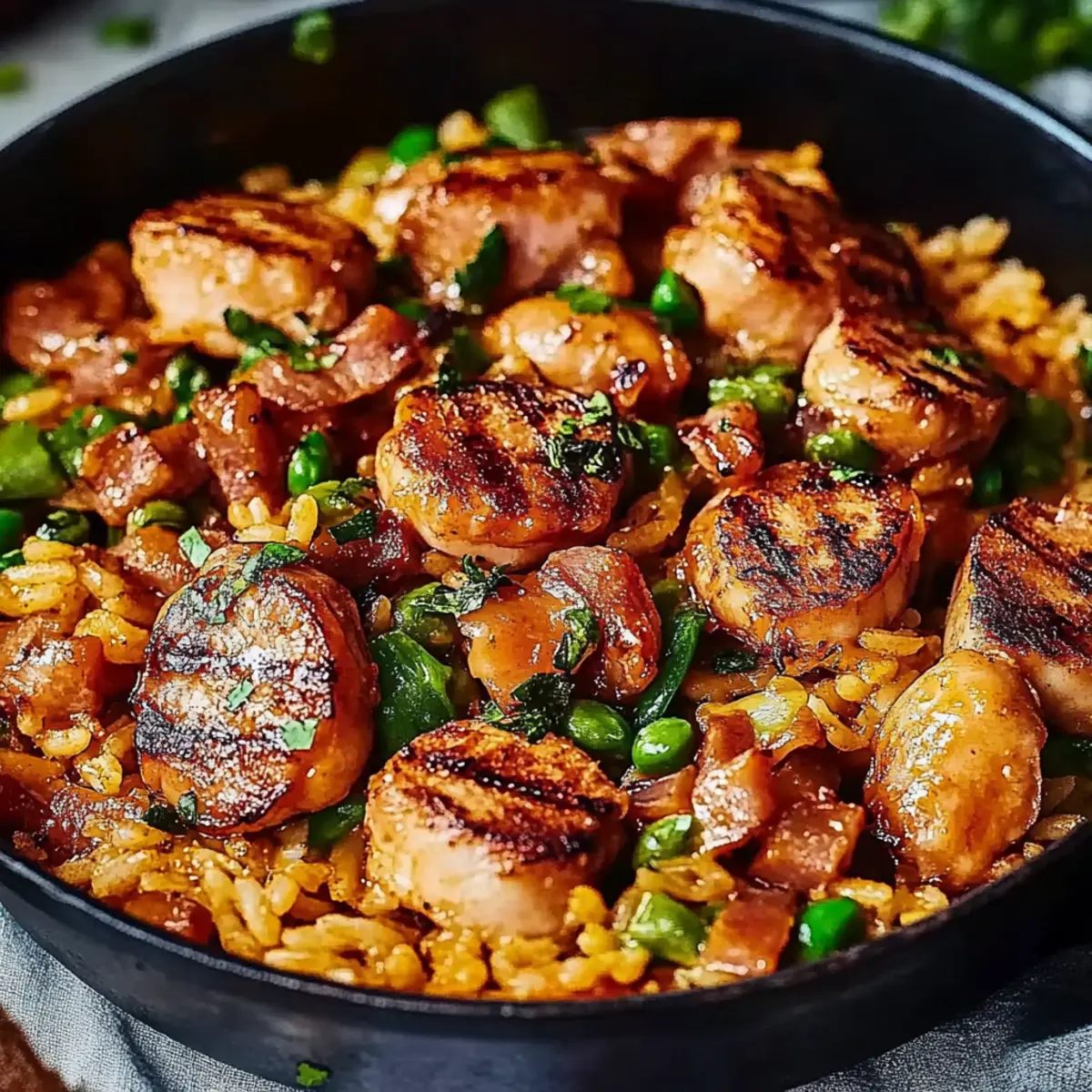
Classic Jambalaya Recipe FAQs
What type of rice should I use for jambalaya?
I highly recommend using long-grain rice, as it helps achieve the perfect texture for your jambalaya. It cooks evenly and doesn’t become too sticky, allowing the flavors to shine through beautifully.
How long can I store leftover jambalaya in the fridge?
Leftovers can be stored in an airtight container in the refrigerator for up to 3 days. Just make sure it cools completely before putting it away to prevent condensation, which can make the rice mushy.
Can I freeze jambalaya for later use?
Absolutely! To freeze your jambalaya, let it cool completely, then portion it into freezer-safe containers. It’ll stay fresh for up to 2 months. When you're ready to enjoy it, simply reheat in a saucepan on low heat, adding a splash of broth or water for moisture.
What should I do if my jambalaya is too dry?
If you find that your jambalaya has turned out too dry, don't panic! You can add a bit of broth or water to the pot while reheating—just a couple tablespoons will do the trick. Stir it gently to incorporate the moisture back into the rice, and it should regain its comforting texture.
Is jambalaya safe for my pets?
While the ingredients in jambalaya can be delicious and nutritious for humans, it’s not recommended for pets. Ingredients like onions and garlic can be harmful to dogs and cats. Always keep a close eye on what your furry friends have access to in the kitchen!
Can I substitute proteins in jambalaya?
Indeed! Jambalaya is incredibly versatile. You can use chicken, sausage, shrimp, or turkey—whatever you have on hand. Just remember to add more delicate proteins, like shrimp, during the last few minutes of cooking to prevent overcooking!
Savory Jambalaya: A Flavor-Packed Comfort Dish at Home
Equipment
- large pot or Dutch oven
Ingredients
For the Rice Base
- 2 cups rice Use long-grain rice for optimal texture and flavor.
- 4 cups liquid (broth or water) Chicken broth adds depth, but vegetable broth or water works just as well.
For the Vegetables
- 1 whole onion Chopped finely for a sweet base flavor.
- 1 whole bell pepper Any color, red or yellow are sweeter.
- 1 stalk celery Chopped for a crunchy element.
- 3 cloves garlic Minced for flavor.
For the Proteins
- 1 pound chicken (or preferred protein) Diced chicken is classic.
- 1 pound sausage (or preferred protein) Andouille is traditional; use any sausage you like.
- 1 pound optional proteins (shrimp or turkey) Add shrimp during last minutes of cooking.
For the Seasoning
- 2 teaspoons Cajun seasoning Gives jambalaya its signature kick.
- 1 teaspoon salt Adjust to taste.
For the Garnish
- 3 whole green onions Chopped for fresh finish.
Instructions
Step-by-Step Instructions for Jambalaya
- Sauté the vegetables: heat oil, add onion, bell pepper, celery, and garlic; sauté for 5-7 minutes.
- Brown the proteins: add chicken and sausage, cook for 5-7 minutes until chicken is not pink.
- Add rice and seasoning: stir in rice, Cajun seasoning, and salt, cooking for 1-2 minutes.
- Pour in liquid and bring to boil: add broth or water, bring to vigorous boil.
- Simmer for perfect texture: cover and simmer for 20-25 minutes until rice is tender.
- Add optional proteins: toss in shrimp in last 5 minutes of cooking.
- Let it rest: remove from heat, cover for 5 minutes.
- Garnish and serve: stir and garnish with green onions before serving.
Leave a Reply