
As the warm aroma of coconut milk fills the kitchen, I can’t help but smile at the thought of my go-to comfort meal: Thai Chicken Satay Curry. This delightful dish blends rich, creamy goodness with a kick of spice, making it a perfect choice for a busy weeknight or a cozy weekend gathering. With just 35 minutes from start to serving, this crowd-pleasing recipe is a lifesaver for anyone tired of fast food and looking for a quick, homemade treat. Plus, it's gluten-free if you opt for the right sauces! Who could resist a one-pan wonder that’s bursting with tantalizing flavors? Curious to find out how to whip up this scrumptious dish? Let’s dive into the rich world of Thai cuisine together!
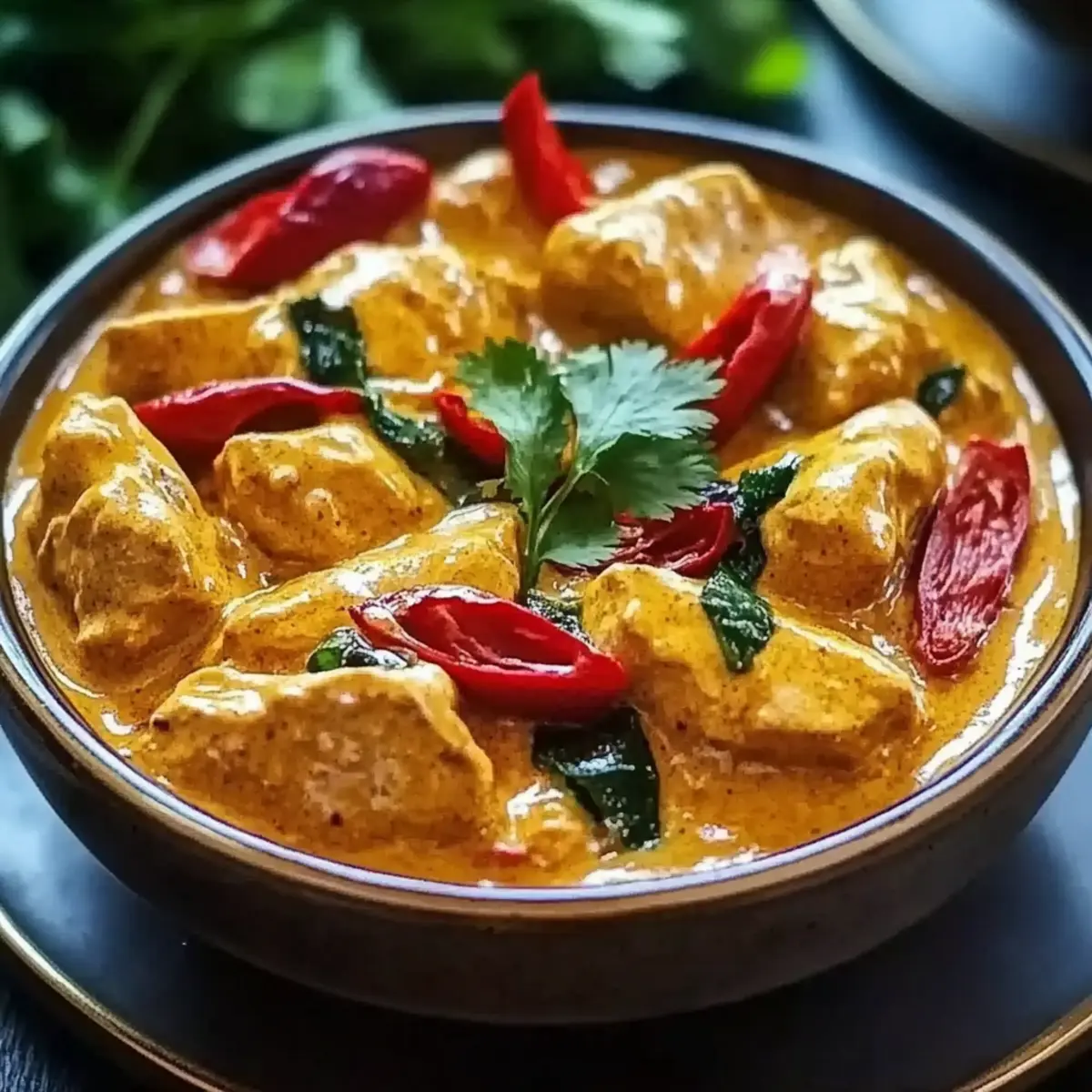
Why You’ll Crave Thai Chicken Satay Curry?
Satisfying Flavor: This dish brings together a unique blend of coconut milk and satay sauce, creating a creamy and tantalizing flavor profile.
Quick and Easy: With just 35 minutes from prep to plate, you can enjoy a homemade meal without the fuss—perfect for busy weeknights!
Versatile Serving Options: Pair it with rice, quinoa, or even lettuce wraps for a low-carb twist that suits every preference.
Crowd-Pleaser: The aromatic spices and comforting texture make this curry a hit with family and friends, turning any meal into an occasion.
Healthy Choice: Not only is it gluten-free when using the right sauces, but it’s also packed with protein and rich in nutrients, offering a guilt-free option for family dinners.
Thai Chicken Satay Curry Ingredients
Discover the keys to a delightful dish!
For the Sauce
- Coconut milk – this is the creamy base that adds richness and a subtle sweetness to your curry.
- Satay sauce – a flavorful blend that gives this dish its signature taste; feel free to use a homemade version for an extra touch!
- Red curry paste – a small amount of this spicy paste adds depth and complexity to the flavor profile.
- Fish sauce – enhances umami and brings all the flavors together in harmony.
For the Chicken
- Chicken breast – diced for quick cooking and absorbing all that delicious sauce; you can substitute with tofu for a vegetarian option.
This Thai Chicken Satay Curry promises a delightful burst of flavors with every bite!
Step‑by‑Step Instructions for Thai Chicken Satay Curry
Step 1: Heat the Coconut Milk
In a large skillet, pour in 1 ½ cups of coconut milk and place it over medium heat. Allow the milk to heat gently, stirring occasionally, until it begins to bubble, usually around 5 minutes. The creamy texture will start to develop, and the delightful aroma will fill your kitchen, setting the stage for your Thai Chicken Satay Curry.
Step 2: Sauté the Chicken
Once the coconut milk is bubbling, add 1 cup of diced chicken breast to the skillet. Stir well to coat the chicken in the milk, then sauté for about 6–8 minutes. Continue cooking until the chicken is cooked through and no longer pink on the inside. The chicken should be tender and absorb some of that rich coconut flavor.
Step 3: Add the Sauces
Now, stir in ½ cup of satay sauce, 1 tablespoon of red curry paste, and 1 tablespoon of fish sauce into the skillet with the chicken. Mix everything together thoroughly for about 2 minutes, ensuring that the chicken is well coated with the flavorful sauces. The mixture will start to turn a lovely golden hue, signaling that the flavors are combining beautifully.
Step 4: Simmer the Curry
Reduce the heat to low and allow the Thai Chicken Satay Curry to simmer for about 10 minutes. Keep an eye on the mixture, stirring occasionally, so it doesn’t stick to the bottom. The curry will thicken slightly as it simmers, bringing out the aromatic spices and creating a lovely, creamy consistency that will make your taste buds sing.
Step 5: Serve and Enjoy
Once the curry has simmered and thickened, remove it from heat and prepare to serve. Ladle the hot Thai Chicken Satay Curry into bowls and pair it with your choice of rice, quinoa, or even in lettuce wraps for a fresh touch. Enjoy the comforting flavors and warmth of this scrumptious dish!
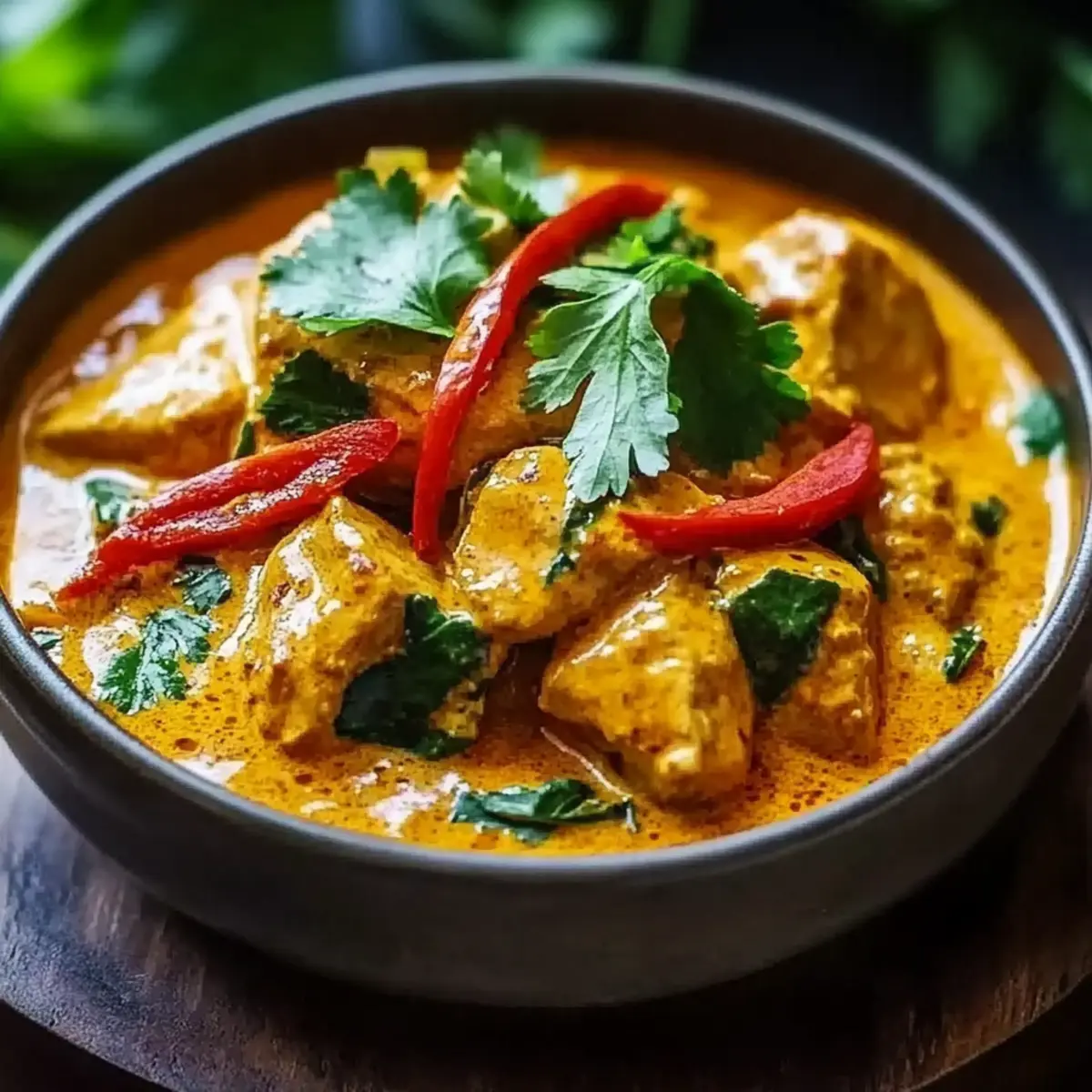
Thai Chicken Satay Curry Variations
Feel free to make this luscious dish your own by exploring these fun and tasty variations!
-
Vegetarian Delight: Substitute chicken with tofu or tempeh for a plant-based version. This swap maintains creaminess while adding lovely texture.
-
Nutty Twist: Add a handful of chopped peanuts or cashews for an extra crunch, elevating the flavor and providing a beautiful garnish.
-
Sizzling Spices: Spice it up with additional chili flakes or fresh sliced jalapeños. A little heat can awaken each mouthwatering bite!
-
Coconut-Free Option: For a lighter dish, use almond or soy milk instead of coconut milk. While the flavor changes, it still creates a creamy sauce that’s delightful.
-
Loaded Veggies: Stir in vegetables like bell peppers, spinach, or snap peas for a nutrient boost. These additions bring color and extra health benefits!
-
Fusion Flavor: Incorporate a tablespoon of peanut butter for a richer taste that blends the best of Thai and American flavors.
-
Herb Infusion: Boost freshness by adding fresh basil or cilantro during the last few minutes of simmering. This aromatic touch enhances the overall experience!
-
Curry Depth: Try using yellow or green curry paste instead of red for a unique flavor profile. Each variety brings its own essence, creating exciting twists to the dish.
Feel free to get creative and let your culinary imagination soar! For more delicious Thai-inspired dishes, check out my quick and easy Thai recipes or explore other delightful family-loved curry recipes that everyone will enjoy.
Make Ahead Options
These Thai Chicken Satay Curry is perfect for meal prep enthusiasts looking to save time on busy weeknights! You can dice the chicken breast and prepare the sauce (coconut milk, satay sauce, red curry paste, and fish sauce) up to 24 hours in advance; simply refrigerate them in airtight containers to keep them fresh. To maintain quality, ensure that the chicken is fully coated with sauce to prevent drying out. When you're ready to enjoy your delicious curry, just heat the coconut milk in a skillet, add the chicken, and simmer for about 10 minutes until everything is heated through. With these make-ahead tips, you'll have a hearty, flavorful meal in no time!
Storage Tips for Thai Chicken Satay Curry
Fridge: Store your Thai Chicken Satay Curry in an airtight container for up to 3 days. This helps retain its creamy goodness while preventing odors from other foods.
Freezer: If you want to keep it longer, you can freeze the curry for up to 2 months. Use freezer-safe containers and leave some space at the top to allow for expansion.
Reheating: When you're ready to enjoy the leftovers, thaw if frozen, then reheat gently on the stovetop over low heat. Stir occasionally to ensure it heats evenly without altering its delicious texture.
Serving Idea: Pair reheated curry with freshly cooked rice or quinoa for a delightful meal that tastes just as good as the first time!
Expert Tips for Thai Chicken Satay Curry
-
Coconut Milk Care: Make sure to use full-fat coconut milk for a creamier texture. Avoid letting it boil too vigorously, which can curdle the milk.
-
Cut Chicken Right: Dice the chicken breast into uniform pieces to ensure even cooking. Overcooking can lead to dry chicken, which is something you'll want to avoid.
-
Flavor Boosting: Adjust the amount of red curry paste according to your spice preference. If you're unsure, start with less and add more gradually to capture that perfect heat.
-
Thickening Trick: If your curry isn’t as thick as you like it, let it simmer a bit longer, and be careful with stirring to prevent it from sticking to the pan.
-
Fresh Herbs Addition: Garnish with fresh cilantro or basil before serving. This adds a burst of freshness to your Thai Chicken Satay Curry, elevating its flavor profile.
What to Serve with Thai Chicken Satay Curry?
Start building a delicious meal that’s sure to impress with delightful pairings that complement every bite of this flavorful dish.
-
Jasmine Rice: This fragrant rice soaks up the rich curry sauce, providing a delightful balance to the dish. It’s a classic choice that enhances the meal's aromatic qualities.
-
Quinoa Salad: Nutty quinoa adds a healthy twist and texture, making your dinner even more wholesome. Toss it with fresh veggies for a crunch that contrasts beautifully with the creamy curry.
-
Roasted Vegetables: Toss some seasonal veggies in olive oil and roast until tender to introduce a caramelized sweetness that pairs perfectly with the curry’s spices.
-
Lettuce Wraps: For a fun, low-carb option, serve your curry in crisp lettuce leaves. This combination gives a refreshing crunch, making each bite a delightful experience.
-
Cucumber Salad: A light cucumber salad tossed in a tangy dressing cuts through the richness of the curry, offering a refreshing palate cleanser.
-
Chilled Coconut Water: This hydrating drink echoes the coconut flavors of the curry, making it a perfect pairing that complements your dining experience.
-
Mango Sticky Rice: For dessert, indulge in this sweet treat; the tropical flavors of mango and the smooth texture of the sticky rice pair beautifully, leaving a lasting sweet impression.
Each of these delightful accompaniments not only enhances your Thai Chicken Satay Curry but also creates a memorable dining experience for you and your loved ones.
Thai Chicken Satay Curry Recipe FAQs
How do I choose the right coconut milk?
Absolutely! Look for full-fat coconut milk in a can for the creamiest texture. Check the ingredient list – it should contain just coconut and water for the best flavor. If you notice a lot of separation or a watery consistency, it’s often a sign of lower quality.
How long can I store the curry in the fridge?
You can store your Thai Chicken Satay Curry in an airtight container in the refrigerator for up to 3 days. Make sure it's completely cool before sealing the container to maintain its delicious flavor and creaminess.
Can I freeze Thai Chicken Satay Curry?
Very! To freeze your curry, transfer it to a freezer-safe container and leave a little space at the top, as the liquid will expand when frozen. It can be kept in the freezer for up to 2 months. When you’re ready to enjoy it, simply thaw it overnight in the fridge, and then gently reheat on the stovetop.
What if my chicken turns out dry?
If your chicken ends up dry, it could be a sign that it was overcooked. Next time, be sure to dice it into uniform pieces and monitor its cooking closely, aiming for an internal temperature of 165°F (75°C). If you want to amp up the flavor next time, consider marinating the chicken in the satay sauce before cooking!
Is this recipe suitable for people with dietary restrictions?
Yes! This Thai Chicken Satay Curry is gluten-free when you use the right sauces. For those with allergies, be sure to check the labels on your satay sauce and fish sauce. If you're catering to vegetarians, you can substitute the chicken with tofu or tempeh for a delightful plant-based twist.
Can I add vegetables to the curry?
Absolutely! Feel free to add bell peppers, snap peas, or broccoli into the mix. Simply sauté them along with chicken to infuse them with flavor and create a more vibrant dish. Just ensure they’re cut evenly to cook at the same rate; this will keep your curry both colorful and delicious!

Savory Thai Chicken Satay Curry for Cozy Nights In
Equipment
- large skillet
Ingredients
For the Sauce
- 1.5 cups coconut milk use full-fat for creaminess
- 0.5 cups satay sauce store-bought or homemade
- 1 tablespoon red curry paste adjust based on spice preference
- 1 tablespoon fish sauce
For the Chicken
- 1 cups diced chicken breast can substitute with tofu for vegetarian option
Instructions
Step-by-Step Instructions
- In a large skillet, pour in 1 ½ cups of coconut milk and place it over medium heat for about 5 minutes.
- Once the coconut milk is bubbling, add 1 cup of diced chicken breast and sauté for 6–8 minutes until cooked through.
- Stir in ½ cup of satay sauce, 1 tablespoon of red curry paste, and 1 tablespoon of fish sauce. Mix for about 2 minutes.
- Reduce the heat to low and let the curry simmer for about 10 minutes, stirring occasionally.
- Remove from heat and serve with rice, quinoa, or lettuce wraps.




Leave a Reply